Retinol is a form of vitamin A, which plays a crucial role in maintaining healthy skin. Your body converts vitamin A into retinoic acid, which aids in the growth and development of skin cells. When you incorporate a topical retinol skincare product into your daily routine, you can expect to see noticeable improvements in fine... Continue Reading →
Fillers
Fillers are a popular alternative to plastic surgery, offering lower cost and quicker results. As we grow older, we tend to lose volume in our faces. This volume is what contributes to a soft, healthy look. However, simply adding volume with fillers isn't always the best solution for reversing the signs of aging. It's important... Continue Reading →
Vitamin A Derivatives: Essential for Maintaining Healthy Aging Skin
Vitamin A is essential for maintaining healthy skin. Your body transforms vitamin A into retinoic acid, which supports the growth and development of skin cells. This process promotes the production of collagen, helps combat signs of aging, and is effective in treating acne.Most skin care professionals suggest starting to incorporate these vitamin A derivatives into... Continue Reading →
The Role of Cosmeceutical Skincare Actives in Your Home Care Routine for Menopausal Skin
Good CombinationsBad CombinationsRetinolVitamin CVitamin C A Powerful Ally in Anti-AgingNiacinamideGrowth Factors PeptidesHyaluronic acidLipids Pigment-reducing botanicals Shop RAMarketplace for Rhonda Allison Cosmeceutical Products When it comes to any skincare program, sun protection is of utmost importance. A healthy aging routine simply isn't possible without proper sun protection. Failing to adequately protect your skin from the sun... Continue Reading →
Sebaceous hyperplasia: Causes and Treatment
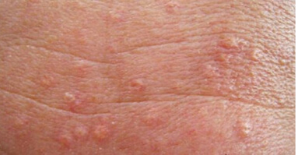
Papules can affect both men and women, though they are rarely observed before the age of 30. Their prevalence tends to increase with advanced aging, and in women, they often appear shortly after menopause. Sebaceous hyperplasia happens when the sebaceous gland. Sebaceous glands secrete an oily, waxy substance consisting of fats and cellular debris, called... Continue Reading →
POSTMENOPAUSE Skin Changes
Postmenopause It’s important to highlight that a significant decrease in skin collagen occurs after menopause, with nearly one-third lost within the first five years and an annual decline of 2.1% over the subsequent 15 years. Postmenopausal estrogen deficiency leads to an increase in skin aging and atrophic changes. During this stage, women may notice several... Continue Reading →
Menopause Skin Changes
According to healthcare experts, menopause is officially recognized as beginning one year after a woman's last menstrual period. This transition often results in noticeable skin changes and usually occurs between the ages of 45 and 55, with the average age being 51 years. Prior to menopause, women typically experience a perimenopause phase that lasts about... Continue Reading →
PERIMENOPAUSE Skin Changes
The main hormone changes affecting skin aging during the three phases of menopause are the dramatic decline in **estrogen** levels. It's important to recognize that menopausal skin is not merely "older skin"; it is biologically and functionally distinct. The age at which menopause begins is influenced by a variety of factors, including genetics, environmental elements... Continue Reading →