

Vitamin A is essential for maintaining healthy skin. Your body transforms vitamin A into retinoic acid, which supports the growth and development of skin cells. This process promotes the production of collagen, helps combat signs of aging, and is effective in treating acne.
Most skin care professionals suggest starting to incorporate these vitamin A derivatives into your routine by your mid-twenties, as they can address a variety of skin concerns. Whether you’re dealing with persistent acne or aiming to delay noticeable signs of aging such as dark spots, fine lines, and crepey skin, retinoids can be beneficial for many.
Vitamin A and its derivatives, especially retinol, are recognized as some of the most powerful agents in postponing the aging process. Esteemed by dermatologists and estheticians alike, retinol and its derivatives, collectively referred to as retinoids, are frequently recommended for skincare.

Understanding How Retinoids Function in the Skin
Why They Work:
Retinoids operate on a cellular level, promoting the development and renewal of skin cells.
When retinoids are applied, they penetrate the cells and enter the nucleus. There, they activate genes responsible for producing collagen and elastin. This process essentially prompts fibroblasts and keratinocytes to resume producing these crucial molecules, much like they did in younger skin.
In essence, retinoids helps to reactivate what natural aging tends to diminish. As we grow older, our skin naturally becomes thinner, and this process is expedited during the period of estrogen deficiency associated with menopause.
There are multiple types of retinoids available, ranging from potent prescription medications to over-the-counter skincare products that can be conveniently found at drugstores or your preferred upscale beauty retailers.
Retinoids are classified into four primary categories: retinyl ester, retinol, retinaldehyde, and retinoic acid. The first three can be found in over-the-counter skincare products, while retinoic acid is only acessible through a prescription. Notably, retinol is one of the most effective ingredients for slowing down the aging process.
Retinoids 101: What Are they?

Retinol
When you incorporate a topical retinol skincare product into your daily routine, you’ll notice significant improvements in fine lines, skin smoothness, and hyperpigmentation from sun damage. Retinol can also be applied to the tops of your hands, neck, and chest to help diminish visible signs of aging.
Retinol works by promoting skin cell turnover, which may lead to mild peeling, slight redness, and minor dry patches for some individuals. However, these effects should not escalate to severe irritation, excessive dryness, or itching.
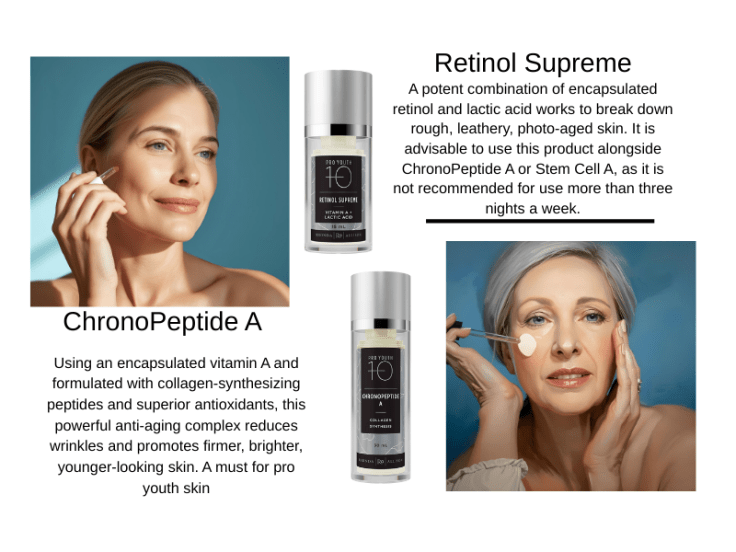
Encapsulated retinol differs from regular retinol because it doesn’t begin working immediately upon contact with the skin’s surface. Instead, it bypasses the surface and travels deep into the skin layers, where it then starts to take effect.
This allows encapsulated retinol to avoid potential surface-level irritation that can occur with pure retinol. Furthermore, it works more efficiently since the most significant changes in skin firmness happen in these deeper skin layers.
Integrating retinol into your skincare regimen will undoubtedly soften your skin. It has the remarkable ability to reduce that tired, dull appearance that may have developed over time and is highly effective in addressing various skin concerns
Retinaldehyde
Retinaldehyde, commonly referred to as “retinal” —
Retinal is the aldehyde form of vitamin A, acting as the oxidized version of retinol. While it is used in cosmeceuticals, its effectiveness for skin treatment is somewhat restricted. It functions as a stable derivative of vitamin A, but its influence on wrinkles and overall skin enhancement is only moderate. This is in contrast to retinol, which is the most potent option among over-the-counter retinoids
Benefits: Much like retinol, retinal promotes cell turnover, helping to even out skin tone and texture while smoothing wrinkles, improves signs of photoaging, and fine lines.
Side Effects: While you may experience some irritation and dryness when using it, retinal is generally milder than pure retinoic acid.
Retinyl esters
Retinyl esters, which are a gentle alternative to other retinoids, offering similar benefits without the harsher side effects.
Retinyl esters, derived from vitamin A, include retinyl palmitate, retinyl linoleate, retinyl acetate, and retinyl propionate. They are considered the least potent form of retinoids, making them ideal for first-time retinoid users or individuals with very sensitive skin.
While they are milder, consistent use of retinyl esters can still effectively address various skin concerns such as lines, wrinkles, uneven texture, tone, and even mild acne.
Retinyl esters are stable vitamin A derivatives that are well-tolerated and less irritating compared to retinoic acid. They are commonly used in cosmeceuticals to improve signs of photoaging.
It’s important to note that retinyl esters, like retinyl acetate and palmitate, need to be converted to retinol and then to retinoic acid within the skin. This conversion process means they may offer a smaller increase in epidermal thickness and have decreased anti-wrinkle effectiveness compared to direct retinol and retinoic acid applications.

Retinoic Acid
Retinoic acid, being in its active form, requires no conversion on the skin, allowing it to initiate its cellular renewal and repair effects right away.
- Prescription retinoids offer greater potency than over-the-counter options, but this increased strength also heightens the likelihood of side effects such as dryness, redness, and irritation.
- Due to their strength, retinoic acid treatments are available only by prescription.
- Furthermore, these treatments can heighten sun sensitivity, making daily sunscreen application crucial.
Retinoids are widely recognized as an effective prescription treatment, especially for stubborn, severe nodular acne. They are also utilized in powerful oral forms to treat severe psoriasis, as well as for both topical and oral applications aimed at addressing skin lesions.
Common Topical and Oral Prescription Treatments
- Tretinoin
- Tazarotene
- Adapalene
- Trifarotene
- Alitretinoin
- Isotretinoin
- Acitretin
- Bexarotene
Source
https://pmc.ncbi.nlm.nih.gov/articles/PMC6791161/
https://skinwellness.com/learn/the-ultimate-guide-to-understanding-the-hierarchy-of-retinoids/https://inspecsolutions.com/about-encapsulated-retinol/#:~:text=Encapsulated%20retinol%20is%20a%20version,enhancing%20this%20active%20ingredient’s%20efficacy.
 Skin Care Tips and News
Leave a comment