

When it comes to any skincare program, sun protection is of utmost importance. A healthy aging routine simply isn’t possible without proper sun protection.
Failing to adequately protect your skin from the sun can lead to several issues, including:
- * UVA damage, which is responsible for up to 80% of skin aging
- * Thinning skin
- * Collagen loss
- * Discoloration & pigmentation
- * Skin cancers
The typical biological aging process speeds up during menopause due to estrogen deficiency. Skin after menopause requires a focused strategy that emphasizes hydration, regeneration, and protection.
To create a comprehensive and effective home care routine for menopausal skin and healthy aging, it’s essential to incorporate the right cosmeceutical skincare actives. These include:
- * Retinol
- * Vitamin C
- * Niacinamide
- *Growth Factors
- * Peptides
- * Hyaluronic acid
- * Lipids
- * Pigment-reducing botanicals
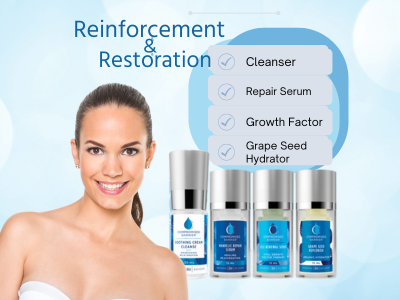
When creating a healthy aging home care routine, it’s important to consider that certain combinations of cosmeceutical ingredients can yield excellent results, while others may lead to undesirable effects .Here’s a breakdown of good and bad skincare ingredient combinations:
Good Combinations
- Retinol & Glycerin: Glycerin helps restore moisture to the skin, which can be lost when using retinol.
- Vitamin C & Ferulic Acid: These two are an excellent anti-aging combination.
- Retinol & Hyaluronic Acid: Similar to glycerin, hyaluronic acid replenishes moisture that can be depleted by retinol.
- Vitamin C & Vitamin E: These antioxidant vitamins enhance each other’s effects and help fight against free radicals.
Bad Combinations
Benzoyl Peroxide & Retinol: Both are effective for fighting acne, but layering them can be irritating. They can be used on the same day, just not at the same time.
Vitamin C & Alpha Hydroxy Acids (AHAs): The acidity of these two ingredients can create an irregular pH balance on the skin, which may make the products less effective.
Vitamin B3 (Niacinamide) & Alpha Hydroxy Acids (AHAs): The low pH produced by AHAs can cause vitamin B3 to create nicotinic acid, which can irritate the skin. Vitamin B3 is most effective when the skin’s pH balance is neutral.
Vitamin C & Retinol: Retinol is a potent skincare product that can cause skin dryness. Some ingredients, including Vitamin C, simply don’t work well when layered with retinol and can lead to irritation.
Alpha Hydroxy Acid (AHA) & Retinol: While you can use two different products with these ingredients on the same day (e.g., an AHA face wash and a retinol serum), it’s not recommended to layer them directly one on top of the other.
Retinol
Retinol is a derivative of Vitamin A, which has two main sources. One category, known as Retinoids, is derived from animal sources and includes retinol itself. The other category, called Carotenoids, is obtained from plant sources. Vitamin A cannot be synthesized by the body; hence it needs to be supplied to the body.
- Increased epidermal thickness
- A significant reduction in facial wrinkles
- Stimulates collagen production at the cellular level
- Increases cell turnover
- Reduces pigmentation production
- Rejuvenates the skin
The regenerative effects of retinol lead to firmer, thicker, and more youthful-looking skin by enhancing collagen production.
Vitamin C
Thanks to their antioxidant properties, vitamin C and its derivatives have been utilized in cosmetic products for many years to help protect the skin and diminish signs of aging.
Vitamin C A Powerful Ally in Anti-Aging
- Its anti-aging effects boost collagen synthesis, stabilize collagen fibers, and reduce collagen degradation.
- Thanks to their antioxidant properties, vitamin C and its derivatives have been widely utilized in cosmetic products to protect the skin and minimize aging signs.
- Topical vitamin C has a broad spectrum of clinical applications, including anti-aging, anti-pigmentation, and photoprotection.
- As one of nature’s most potent antioxidants, it plays a vital role in maintaining skin health.
Vitamin C is crucial for collagen biosynthesis. Regardless of your age, incorporating a topical vitamin C serum into your skincare routine is beneficial. Both youthful and mature skin can enjoy the advantages of enhanced collagen production with daily use of topical vitamin C.
Niacinamide
Overall, niacinamide is beneficial for building skin proteins and locking in moisture to protect against environmental damage.
The advantages of niacinamide include:
- Immunity: It aids in the production of keratin, a protein that helps keep your skin firm and healthy.
- Lipid Barrier: Niacinamide supports the development of your lipid barrier, which helps retain moisture. This is especially advantageous for all skin types, particularly those with eczema or mature skin.
- Minimizes Redness and Blotchiness: By reducing inflammation, niacinamide can alleviate redness caused by eczema, acne, and other inflammatory skin conditions.
- Minimizes Pore Appearance: Keeping skin smooth and well-hydrated may naturally reduce pore size over time.
- Minimizes Fine Lines and Wrinkles: Studies have shown that niacinamide can help diminish signs of sun damage associated with aging, including fine lines and wrinkles.
- Protects Against Sun Damage: It works to rebuild healthy skin cells while also safeguarding them from ultraviolet ray damage.
- Protects Against Oxidative Stress: Niacinamide not only helps build skin cells but also shields them from environmental stressors like sunlight, pollution, and toxins.
- Regulates Oil: The moisture-retaining benefits of niacinamide extend to those with oily skin as well, as it helps regulate sebum production and prevents overactivity of sebaceous glands.
- Treats Acne: Niacinamide is effective for treating acne, particularly inflammatory types such as papules and pustules. Over time, you may notice a reduction in lesions and an improvement in skin texture.
Growth Factors
Benefits of Incorporating Epidermal Growth Factors into Your Skincare Routine
Aids in Home Care Maintenance
EGF serves as an excellent home care product, as it nourishes the skin and helps slow the aging process. By delivering this vital nutrient topically, your skin can achieve a healthier and more vibrant appearance.
Supports Skin Healing
Epidermal Growth Factors (EGF) are a powerful tool for promoting accelerated tissue growth, making them an ideal addition to any exfoliation treatments.
Enhances Cell Renewal
EGF boosts cell renewal following exfoliation and aids in the skin’s healing process. If you are undergoing microdermabrasion, dermaplaning, or chemical peels, Epidermal Growth Factors work synergistically with your skin’s natural renewal processes to enhance your outcomes.
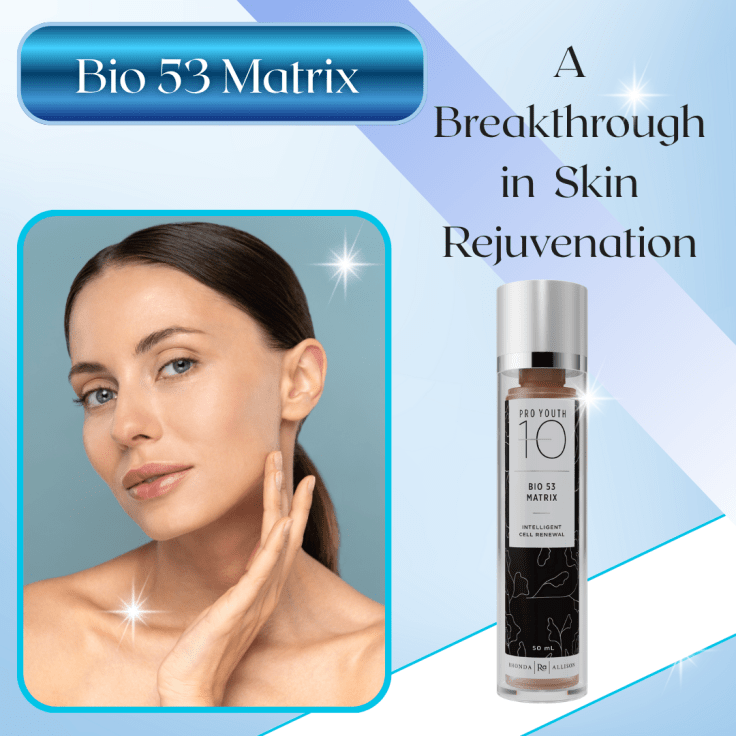
It contains antioxidants and epidermal growth factors (EGF) that aid in renewing and strengthening your skin. This product promotes wrinkle reduction and stimulates cellular regrowth. Additionally, it soothes and calms inflamed or irritated skin.
Peptides
The Power Players in Skin Health
Peptides are small protein molecules that are present in every cell of the human body, playing crucial biological roles, particularly in metabolism. They contribute to the structural integrity of cells, including vital components like collagen, elastin, and keratin. Additionally, they participate in intricate processes such as cell signaling.
In skincare formulations, peptides are instrumental in promoting healthy skin, repairing and healing a compromised skin barrier, softening the appearance of wrinkles, and transmitting cellular messages to reduce muscle movement.
For instance, a hexapeptide that mimics the action of Botox targets signs of aging by inhibiting muscle contractions. By preventing these contractions, you can effectively diminish the appearance of wrinkles. This ‘mimic’ peptide is provided in a cosmeceutical form, binding in place of the peptide that is typically produced naturally.
Hyaluronic acid
The Role of Hyaluronic Acid in Skin Health
Hyaluronic acid (HA) serves as a biological humectant, effectively retaining moisture in the skin, which makes it an excellent ingredient for topical hydration.
It plays a crucial role in sustaining moisture levels in human skin. However, as we age, the natural concentration of hyaluronic acid in our skin decreases significantly. This reduction impairs the skin’s ability to hold onto moisture, resulting in a dry and rough texture.
When hyaluronic acid is applied to the skin, it penetrates the dermis, binds with water, and boosts microcirculation and nutrient absorption. It forms an air-permeable barrier that aids in keeping the skin hydrated and smooth.
The result is a rapid rejuvenation of the skin, minimizing the appearance of wrinkles, crow’s feet, and other signs of aging around the eyes, which can be worsened by factors like sun exposure, smoking, stress, and more.
Lipids
Lipids are fatty compounds that serve numerous essential functions in your body. They are integral components of cell membranes, regulating what enters and exits your cells. Additionally, lipids assist in energy storage and transportation, vitamin absorption, and hormone production.
Moreover, lipids play a vital role in preserving a healthy skin barrier. They impact various factors such as moisture retention, acne, and irritation levels, while also providing anti-inflammatory and antioxidant benefits for the skin. Their benefits include:
- Promoting skin barrier homeostasis
- Exhibiting antioxidative activities
- Providing anti-inflammatory properties
- Offering anti-microbial benefits
- Supporting wound healing
- Demonstrating anti-carcinogenic effects
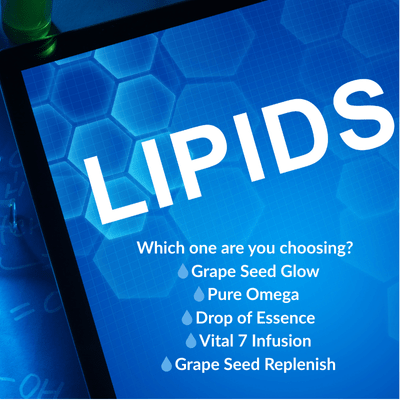
These essential fats and fatty acids play a pivotal role in keeping your skin vibrant and healthy. They help retain hydration, fortify the skin barrier, and encourage a smooth, resilient complexion.
Pigment-reducing botanicals
Botanical extracts may serve a vital role in addressing hyperpigmentation. Numerous botanical and natural ingredients have shown potential in treating hyperpigmentation disorders, as evidenced by clinical trial results. These plant-derived components are celebrated for their ability to gently lighten dark spots, balance uneven skin tone, and enhance overall radiance.
They work to correct pigment irregularities, resulting in a more uniform complexion and improved skin clarity.
Examples of Effective Botanical Extracts:
- Licorice Root Extract
- Daisy Flower Extract
- Kojic Acid
- Arbutin
- Soybean
- Hibiscus Flower Extract
- Mulberry Extract
- Aloesin
Shop RAMarketplace for Rhonda Allison Cosmeceutical Products


 Skin Care Tips and News
Leave a comment