

Table Content
- Ingredients in skin care products are important for results
- Use topical vitamin C in your skin care routine
- Retinols (vitamin A) for healthy skin
- Niacinamide
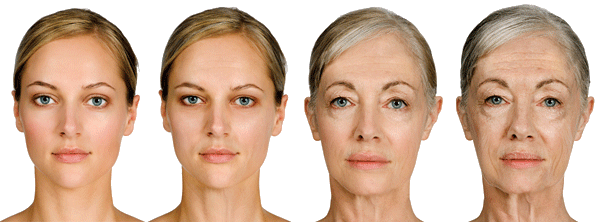
Will you look in a mirror and wish you had taken better care it? Picture two women looking at their reflection in the mirror. One is smiling at herself while the other wishes she had been just a little more concerned about their face when they had the time. We’re all aging, but how we look as we mature is an option. Mature skin may show wrinkles, which most wear makeup to cover. What will your face look like five to ten years from now?
Have you ever met a mature woman with such glowing skin, all you see is beauty instead of her express lines? Yet another mature woman will wear so much makeup, trying to cover up years of neglect, it looks like she is wearing a mask.
You should prepare for how your skin will look after you stop wearing makeup. You have to start making the right choices now.

When you are young, your skin is healthy, smoother and plumper. It requires little to no makeup to look glamorous. However, as the years go by, your skin becomes more sun damaged, less vibrant. To keep that awesome look, as you age, you’ll need assistance from skin care products to help maintain it and repair it.
There is a science behind skin care! Don’t select your skin care products by trial and error.
The skin care manufacturer constantly put new products on the market with “active or cosmeceutical” (cosmetic ingredients that have medicinal or drug-like benefits) ingredients to slow down the aging process; help your skin maintain a healthy youthful look and blemish free.
Selecting and using an incorrect product can and will damage your skin very quickly. Repairing it and bringing it back to a healthy state takes a lot longer.
You no longer select skin care products only for your skin type.
You have to consider not only your skin’s type but, your skin’s condition as well. Your lifestyle, stress level, environmental damage and diet effect your skin either in a positive or negative way. Also, there are the seasonal changes to consider. You would never think about wearing a winter coat in the summer. But, when comes to using a moisturizer, that protects your skin from the environment, you use the same moisturizer all year round. It may work wonderfully during the winter dry months, but by not changing during the hot months of the summer, could possible cause breakouts or clogged pores.
Ingredients in skin care products are important for results
A cleanser can cost between $3 to $30. So, what’s the difference? The ingredients! Skincare manufacturers add surfactants and at various strengths to their cleansers to breakdown surface oil and dirt from your skin.
As in the case of sodium lauryl sulfate (SLS) and sodium laureth sulfate (SLES).
Sodium lauryl sulfate (SLS) and Sodium Laureth Sulfate (SLES), both are surfactants. For people with sensitive skin sulfates has been know to cause negative reactions. SLS is classified as skin irritant more confidently. Long-term exposure to Sodium lauryl sulfate (SLS) could induce contact dermatitis.
SLS can make severe epidermal modifications, from thinning the stratum corneum, the outermost layer of the epidermis, to causing intense dryness, which leads to irritation and sensitivity, especially for individuals who suffer from Rosacea.
Sodium Laureth Sulfate (SLES) is developed from SLS through a process called ethoxylation.
It is believed this method makes SLES safer to use in bath and body care products and is gentler on skin than its forerunner, SLS. Unlike SLS, Sodium Laureth Sulfate won’t aggravate your skin or strip it of any excess moisture.
Sodium Laureth Sulfate (SLES) is developed from SLS through a process called ethoxylation.
It is believed this method makes SLES safer to use in bath and body care products and is gentler on skin than its predecessor, SLS. Unlike SLS, Sodium Laureth Sulfate won’t aggravate your skin or strip it of any excess moisture.
Signs of sulfates sensitivity could include:
Redness Itchy dryness
Scaly Sores
The following is a short list of other cleaning agents found in skin care cleansers:
- Sodium Cocoyl Hydrolyzed Amaranth Protein – A natural foaming peptide
- Sodium lauroyl lactylate is a naturally-derived ingredient
- Lauryl Glucoside – made from coconut or palm oil
- Cocamidopropyl Betaine – A mild surfactant from coconut
- Sodium C14-16 Olefin Sulfonate – derived from coconut, not for sensitive skin, potentially drying
Use topical vitamin C in your skin care routine
Using a topical vitamin C serum daily offers numerous benefits for your skin. However, considering the unstably of some vitamin C derivatives, to receive all the benefits vitamin C has to offer, when selecting your serum, the absorption ability of the derivative has to be taken into account.
Yet, when the manufacture’s cosmetic formula combines the derivative with other ingredients, the absorbability issue is overcome and it becomes a truly powerful antioxidant to sun repair damage and aide in protecting skin cell from UV radiation. What is the correct formula for your skin?
For a list of vitamin C derivatives found in topical vitamin C serums, see “What everyone is saying about vitamin C serums”
Your skin is unique.
When selecting your skin care products, be aware that your skin is uniquely different from your friends and relative.
Their products may not necessarily benefit you or improve skin’s condition. Your skin is constantly renewing itself, changing. It’s this natural renewal process that gives you the wonderful opportunity to improve your skin’s condition, repair sun damage, and rebuild collagen with the “Correct Skin Care Routine”. Each stage of your skin’s life cycle requires a different skin care routine in order to keep a natural healthy look.
Ask yourself the following questions when selecting skin care products.
· What benefits do they bring to your skin?
· How will your skin respond to the ingredient combination?
Retinols (vitamin A) for healthy skin

Results Of A 12 Week Study Of Topical Retinol application and its affects on Wrinkles
After Four Weeks
- Increased epidermal thickness
- Increase collagen proteins
After Twelve Weeks
- A significant reduction in facial wrinkles
Vitamin A cannot be synthesized by the body; hence it needs to be supplied to the body. It is a fat-soluble vitamin that has several important functions in the body
Vitamin A comes from two sources. One group, called Retinoids, comes from animal sources and includes retinol. The other group, called Carotenoids, which comes from plants.
Retinoic acid (RA) is the byproduct of vitamin A that mediates the functions of vitamin A within the body. It plays an important role in cell growth, differentiation, organogenesis, and reproduction.
Retinoic acid (RA) effects cellular processes in both the epidermis and dermis. In excess of 500 genes are thought to be regulated by retinoic acid.
What are retinoids?
The term “retinoids” refers to vitamin A and the various molecules derived from vitamin A.
Retinoids are required for maintaining many essential physiological processes in the body, including normal growth and development, normal vision, a healthy immune system, normal reproduction, and healthy skin and barrier functions.
Retinoids also have an effect on a variety of cellular processes, such as cellular growth and differentiation, cell surface alterations, and immune modulation.
The many different forms of retinoids include:
- retinyl esters
- retinol
- retinal
- retinaldehyde
- retinoic acid

What are carotenoids?
Carotenoids are yellow, orange, and red pigments synthesized by plants.
Carotenoids like beta carotene, lycopene, lutein and zeaxanthin can be converted by the body to retinol (vitamin A). Beta Carotene and Lycopene represent 70% of the carotenoids in skin.
“Carotenoids are known to be powerful antioxidant substances playing an essential role in the reactions of neutralization of FR (mainly reactive oxygen species ROS). Carotenoid molecules present in the tissue are capable of neutralizing several attacks of FR, especially ROS, and are then destroyed. Human skin contains carotenoids, such as α-, γ-, β-carotene, lutein, zeaxanthin, lycopene and their isomers, which serve the living cells as a protection against oxidation.”
The Role of Carotenoids in Human Skin
If you have a lot of deep thick wrinkles, adding retinoids or carotenoids to your skin care routine will definitely soften the effect. Using a topical vitamin A will help your skin reduce that hard worn look. Over time, your skin will develop a softer look and a nice healthy natural glow.

Niacinamide
Overall, niacinamide is beneficial for building skin proteins and locking in moisture to protect against environmental damage. The advantages of niacinamide include:
- Immunity: It aids in the production of keratin, a protein that helps keep your skin firm and healthy.
- Lipid Barrier: Niacinamide supports the development of your lipid barrier, which helps retain moisture. This is especially advantageous for all skin types, particularly those with eczema or mature skin.
- Minimizes Redness and Blotchiness: By reducing inflammation, niacinamide can alleviate redness caused by eczema, acne, and other inflammatory skin conditions.
- Minimizes Pore Appearance: Keeping skin smooth and well-hydrated may naturally reduce pore size over time.
- Minimizes Fine Lines and Wrinkles: Studies have shown that niacinamide can help diminish signs of sun damage associated with aging, including fine lines and wrinkles.
- Protects Against Sun Damage: It works to rebuild healthy skin cells while also safeguarding them from ultraviolet ray damage.
- Protects Against Oxidative Stress: Niacinamide not only helps build skin cells but also shields them from environmental stressors like sunlight, pollution, and toxins.
- Regulates Oil: The moisture-retaining benefits of niacinamide extend to those with oily skin as well, as it helps regulate sebum production and prevents overactivity of sebaceous glands.
- Treats Acne: Niacinamide is effective for treating acne, particularly inflammatory types such as papules and pustules. Over time, you may notice a reduction in lesions and an improvement in skin texture.
Isn’t time for you to work with a skin care professional?
The skin’s ecosystem is fragile. Once disturbed the skin becomes vulnerable to other irritants and bacteria, possibility lead to one or more of the following conditions: dehydration, stinging, inflammation, sensitization, pigmentation, rosacea, premature aging and acne.
Avoid the “trial and error” complications of putting together a comprehensive skin care program. Work with an license Esthetician. Ask yourself te following questions?
- What is the correct skin care ingredients for your skin condition?
- What is the immediate goal for your skin?
- How much time are you willing to invest in achieving the goal?
10 years from now you’ll know if you them answered correctly.
 Skin Care Tips and News
Leave a comment